
The 'I Run' Saga: When AI Vocals Hit the Takedown Wall
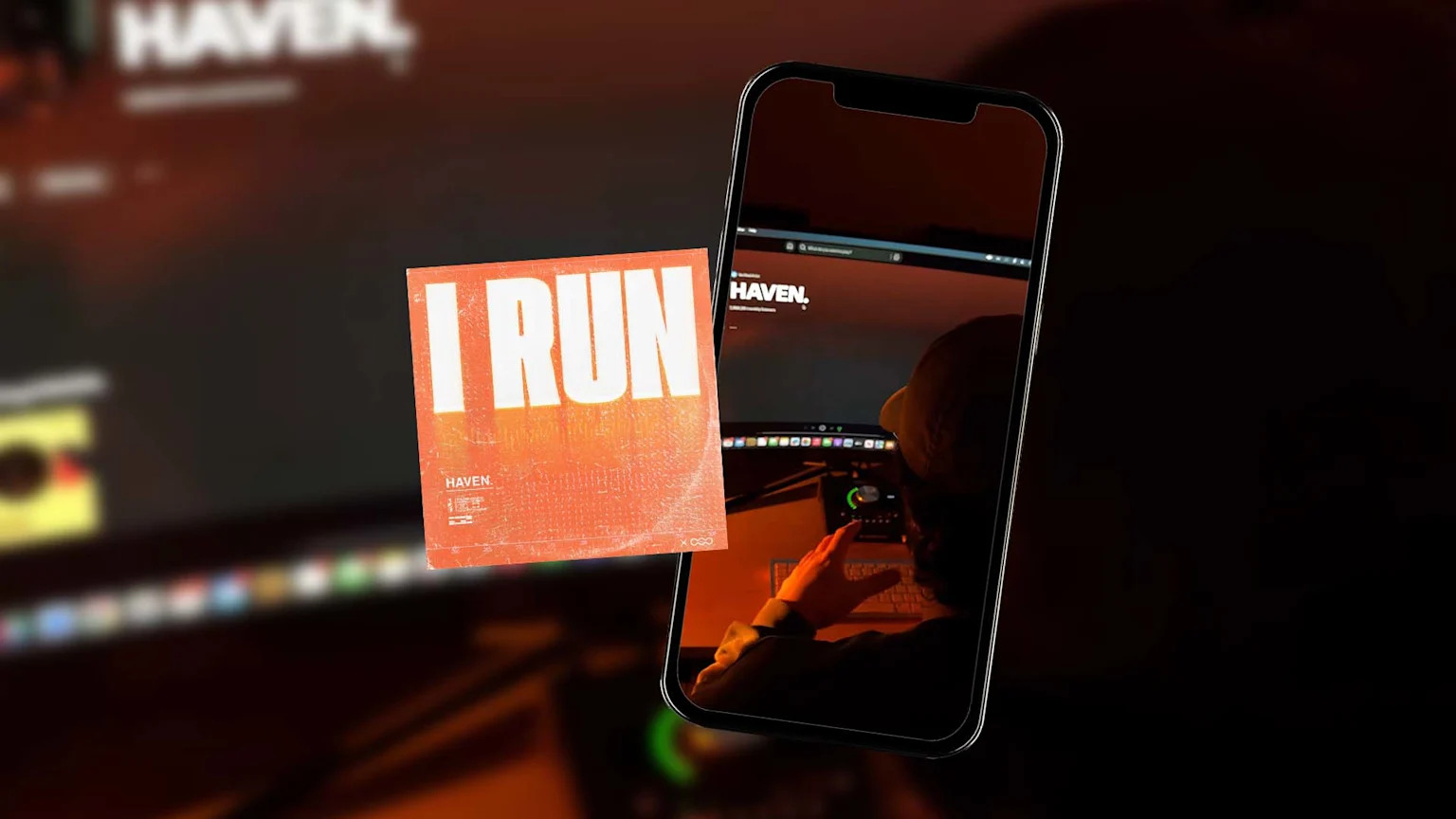
In late 2025, a pulsating house track called "I Run" did something nearly impossible for an indie release: it surged to #11 on the U.S. Spotify charts and ammassed over 13 million streams in a matter of weeks. But by mid-November, the song had completely vanished from Spotify, Apple Music, and the Billboard charts.
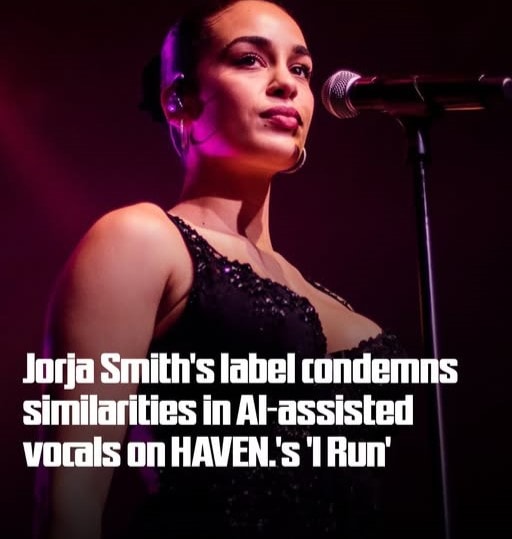
The producers, a British duo known as HAVEN, were caught in the center of 2025's biggest music industry battle. "I Run" didn't just sound like a hit; it sounded exactly like an unreleased track by Grammy-nominated singer Jorja Smith. The problem? Jorja Smith had never stepped foot in the studio for it.
1. The "Suno" Confession
As the song climbed the charts, the industry pressure became unbearable. Labels representing Jorja Smith (FAMM) issued dozens of takedown notices, alleging unauthorized voice cloning.
HAVEN eventually admitted that the vocals were processed through Suno AI. While the duo provided Pro Tools stems showing they used their own original melodies and lyrics, they had used AI to "re-texture" the male producer's voice into the soulful female tone that listeners mistook for Smith. In the eyes of the major labels, this was a "digital identity theft" that siphoned royalty revenue away from a human artist.
2. The Great Blackout of November 2025
By November 20th, Spotify and Apple Music pulled the plug. The song was scrubbed from discovery algorithms, and Billboard withheld it from the Hot 100 despite its massive numbers.
This move set a massive 2026 precedent: Platforms are now actively policing 'Vibe-Alikes'. Even if the lyrics are original, if the AI processing intentionally mimics the "biometric" sound of a superstar, the industry treats it as a deepfake.
3. The Human Pivot: Kaitlin Aragon
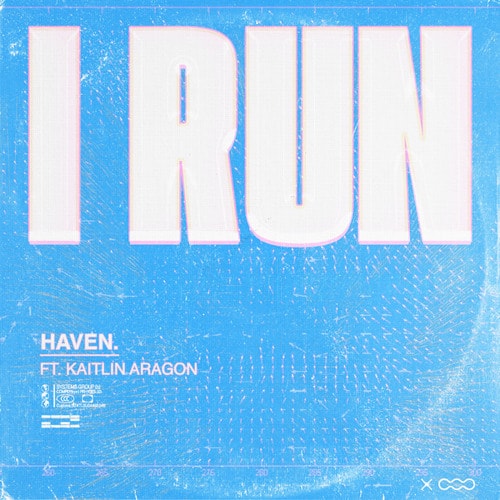
Facing a permanent ban, HAVEN did something unexpected. They found Kaitlin Aragon, an American singer who had posted a viral cover of the song on TikTok. They flew her into the studio, ditched the AI vocals entirely, and re-recorded the track with her human performance.
The new version hit streaming on November 25, 2025. While it was legally "safe" and re-entered the UK Top 40, it lost the specific "uncanny valley" magic that had fooled the world a month earlier. It proved that in the streaming age, the controversy is often more viral than the music itself.
The Verdict: Check Your Stats
The "I Run" saga shows how fragile a viral hit can be in the age of AI. For the producers, it was a lesson in legal boundaries. For the listeners, it’s a reminder that what we hear on our "Daily Mix" isn't always what it seems.
As we move through 2026, the battle for "Authenticity" is only getting more expensive.
Was 'I Run' in your Top 5 before it vanished? Takedowns can mess with your data. If you noticed a gap in your 2025 history, it might be because the tracks you were looping were nuked by a label strike.
Insight Tool
Audit Your Listening History
Did your top artists change after the late-2025 AI purges? Import your data to see which 'ghost artists' were living in your playlists.