The Spotify Lossless Report: 90 Days Later
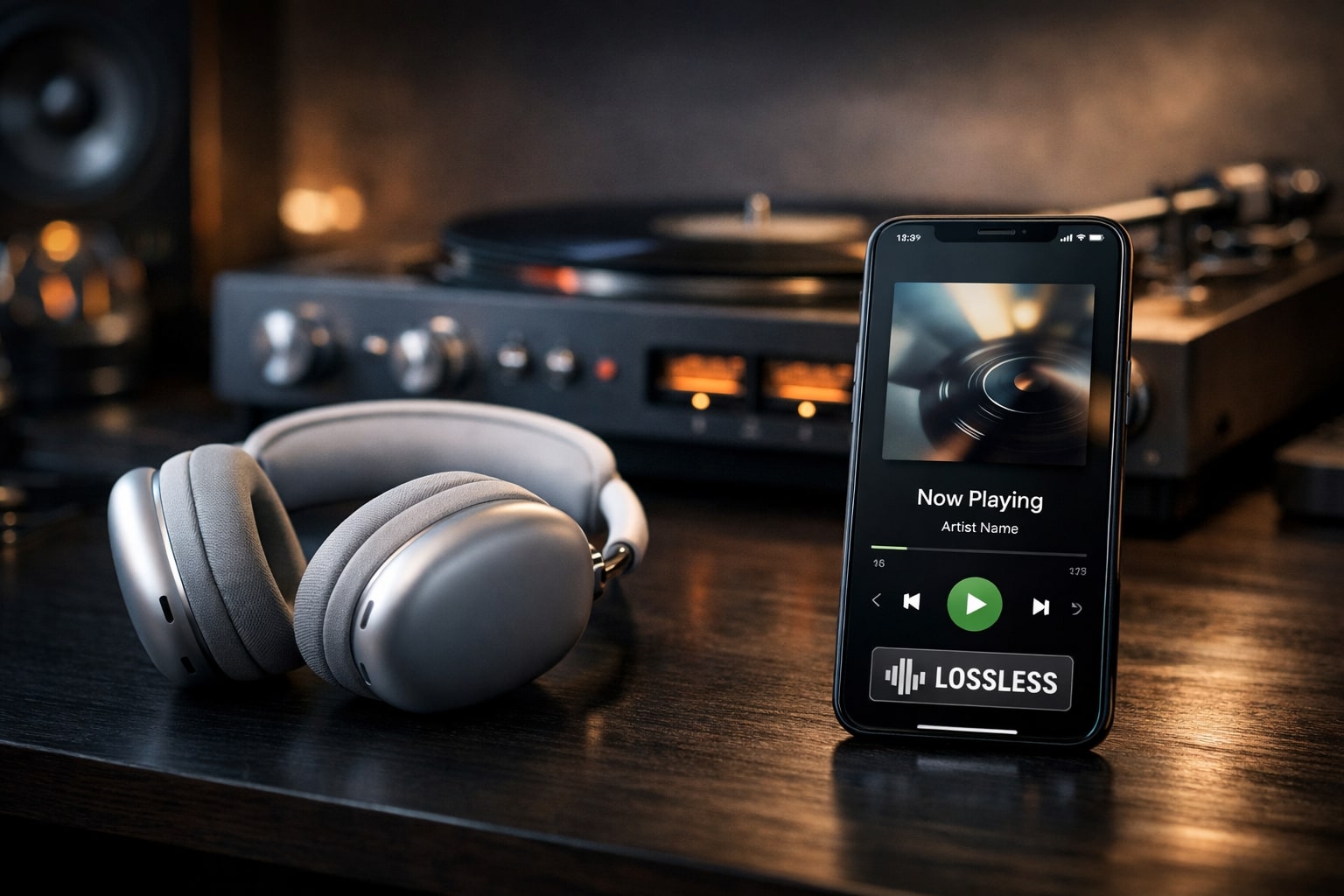
The eight-year wait officially ended on September 10, 2025. When Spotify finally flipped the switch on 24-bit/44.1kHz FLAC, it wasn't a "revolution"—it was a late-stage defensive play. By the time "Spotify Lossless" arrived, Apple Music and Tidal had already normalized high-fidelity audio as a standard feature, leaving Spotify to justify its $11.99/month price tag to an audience that was already looking at the exit.
Now that we are three months into the full rollout, the novelty has faded. We can finally move past the PR and look at the technical reality of how Spotify sounds in early 2026.
1. The Ceiling: 44.1kHz in a 192kHz Market
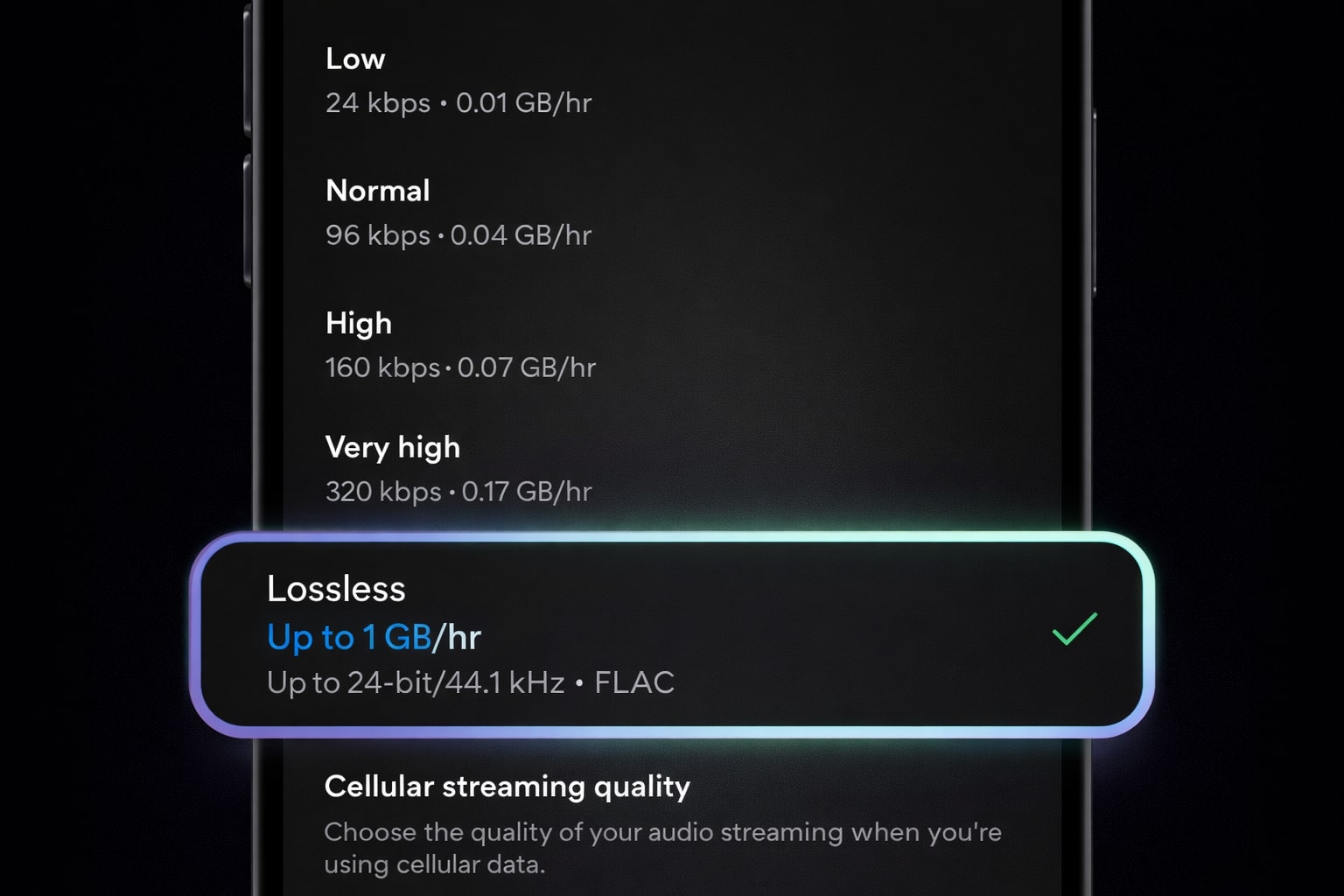
Technically, Spotify hit the "CD-quality" milestone. Their 24-bit/44.1kHz FLAC streams are an objective upgrade over the old 320kbps Ogg Vorbis compression. However, the technical ceiling remains lower than its primary rivals.
- Spotify: Hard cap at 44.1kHz (2,116 kbps).
- Apple Music: Up to 192kHz Hi-Res (9,216 kbps).
For the mystats.music power users with dedicated DACs and wired setups, the difference in high-frequency detail and soundstage between Spotify and Apple’s top-tier ALAC is still measurable. Spotify chose "CD-quality" stability over "Hi-Res" bragging rights.
 Spotify
 Apple Music
2. The Price of "Pro"
Throughout 2025, rumors suggested a "$5 Music Pro" add-on. Instead, Spotify integrated Lossless into the standard Premium tier but used the launch to solidify the $11.99/month price point. With reports suggesting another hike to $12.99 in Q1 2026, the value proposition is being stretched.
The promised "Pro" tools—specifically AI-powered remixing and advanced headphone optimization—were staggered and remain incomplete. As of January 2026, many users are realizing they are paying a premium for a feature that competitors include for less.
3. The Bluetooth Bottleneck
The biggest point of confusion in our user data is the "Lossless over Bluetooth" myth. If you are using AirPods or Sony XM5s, your phone is still transcoding that 24-bit FLAC into a lossy codec (AAC or LDAC) to send it over the air.
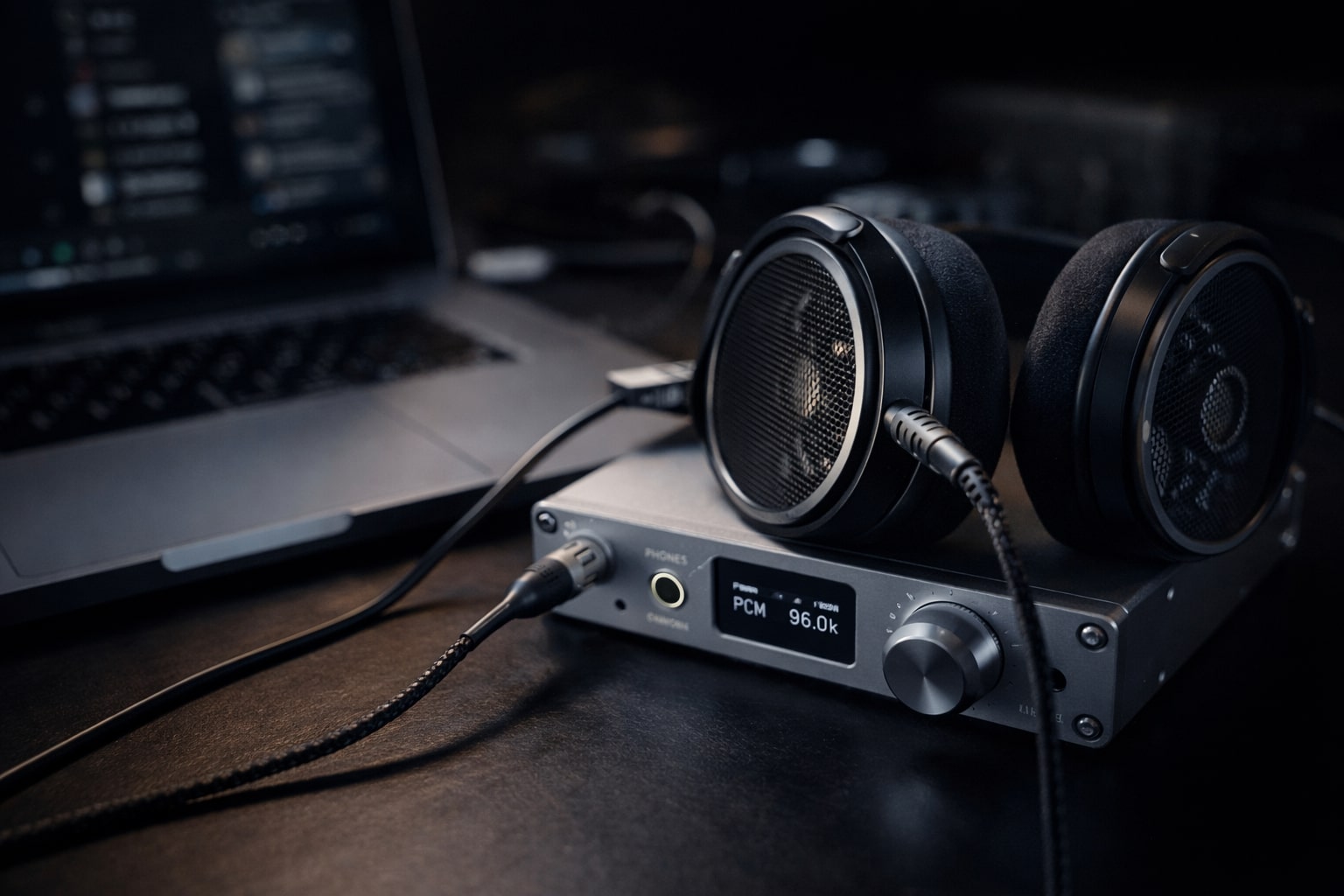
To actually hear what Spotify rolled out last September, your hardware chain must be bit-perfect:
- A Wired Connection: Lighting/USB-C to 3.5mm.
- External DAC: To bypass the phone’s basic, noisy audio processing.
- Manual Toggle: You must enable 'Lossless' in Settings > Media Quality. It is not always on by default.
The Verdict
Spotify Lossless isn't about being the "best" sounding service—Apple and Tidal still hold the technical crown. It’s about retention. By finally closing the quality gap, Spotify removed the primary reason users were jumping ship.
In 2026, you stay for the discovery algorithms and the social ecosystem, but you no longer have to sacrifice CD-quality audio to get them.
Spotify (Post-Lossless Rollout)
The Highlights
- //Finally reached bit-perfect CD quality (24-bit FLAC)
- //Spotify Connect support for Lossless is best-in-class
- //Seamless UI integration and data-usage transparency
- //No separate 'Supremium' tier required
The Drawbacks
- #Still lacks the 192kHz ceiling of Apple Music
- #No Spatial Audio/Dolby Atmos support as of 2026
- #Highest monthly cost in the mainstream market ($11.99)
Insight Tool
Did the upgrade change how you listen?
Higher quality usually leads to longer listening sessions. Import your Extended History to see if your 'Time Listened' surged after the September Lossless rollout.